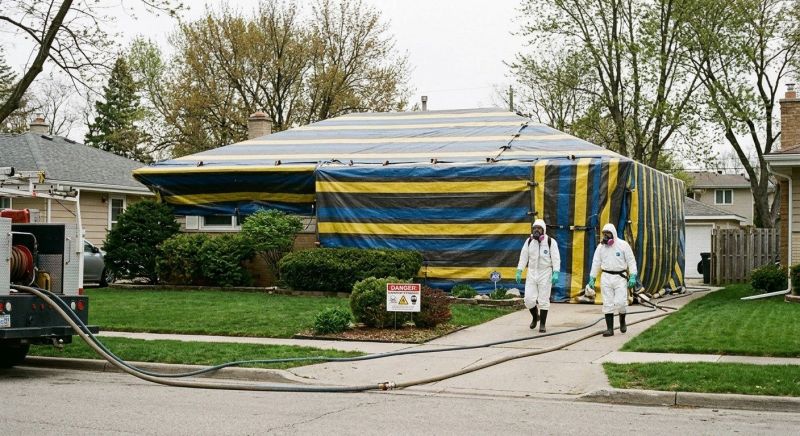
Termite Tenting in San Antonio, TX
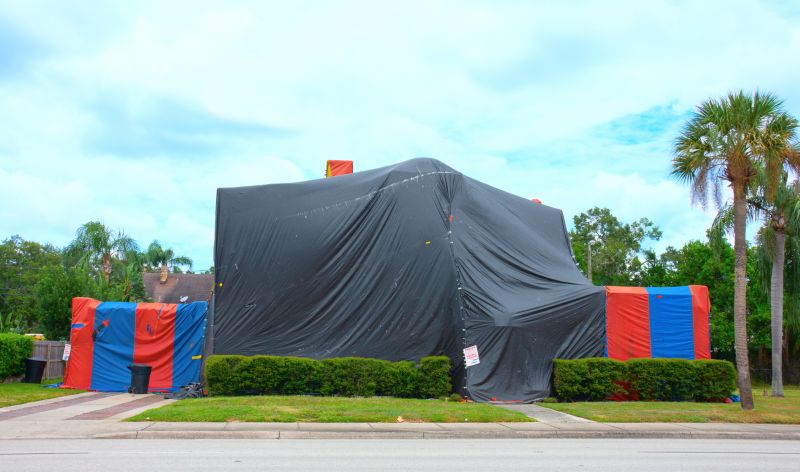
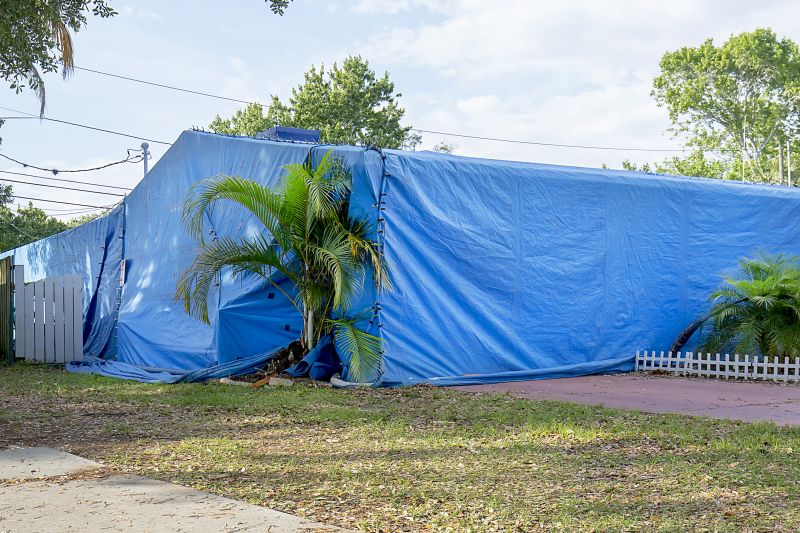
Termite tenting services involve enclosing a property in a specialized tent and releasing a fumigant to eliminate termite infestations effectively. This method is commonly used for extensive or stubborn termite problems, especially when other treatment options have not succeeded. Property owners typically request termite tenting for residential homes, multi-family buildings, or commercial properties that require a thorough eradication process to protect structural integrity and prevent future damage.
Before requesting termite tenting, property owners usually want to understand the scope of the treatment, including preparation requirements, safety precautions, and post-treatment procedures. It is important to know if any items need to be removed or protected during the process and to clarify the duration of the treatment and any necessary follow-up inspections. Having clear information about these aspects helps ensure a smooth and effective treatment experience.
Many property owners in San Antonio, TX look into Termite Tenting for repairs, replacements, upgrades, and appearance-related improvements.
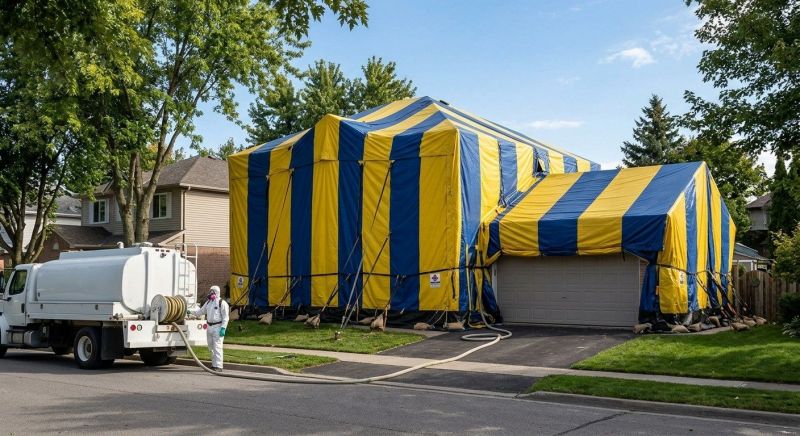
Termite Tenting For Home Protection
Effective treatment options to eliminate termites from residential properties in san antonio, tx.
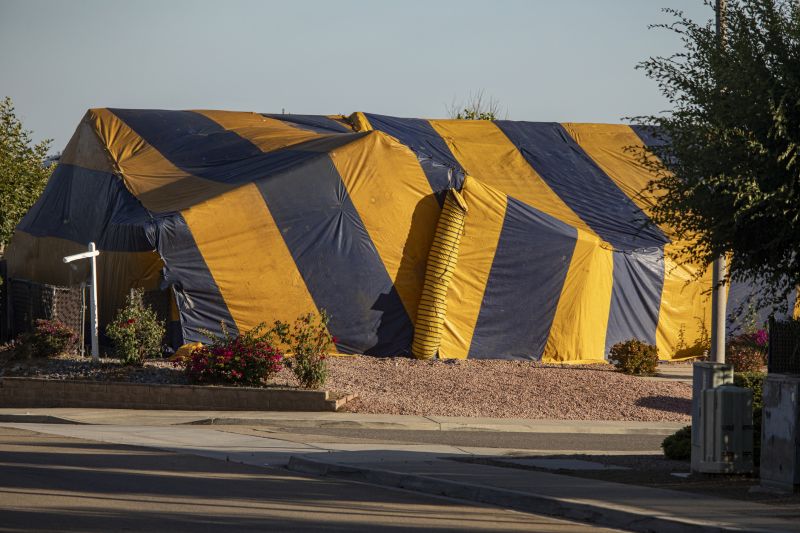
Commercial Termite Tenting Solutions
Specialized services designed to safeguard commercial buildings against termite infestations.
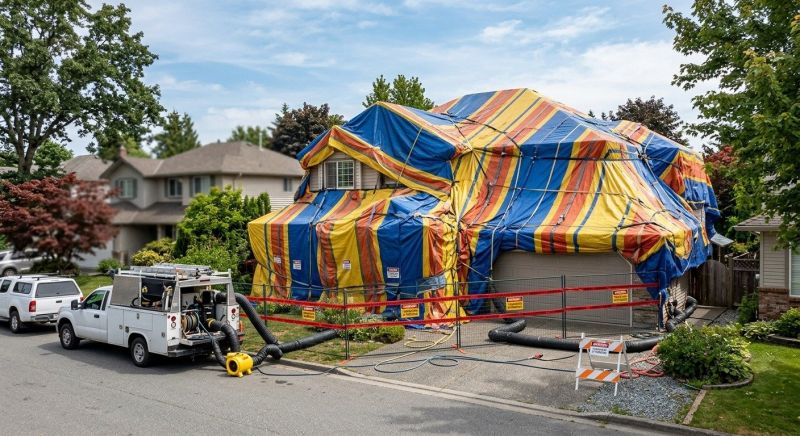
Preparation And Safety Measures
Guidelines to ensure property readiness and safety during the termite fumigation process.
Termite Tenting in San Antonio, TX

Termite tenting services involve enclosing a property in a specialized tent and releasing a fumigant to eliminate termite infestations effectively. This method is commonly used for extensive or stubborn termite problems, especially when other treatment options have not succeeded. Property owners typically request termite tenting for residential homes, multi-family buildings, or commercial properties that require a thorough eradication process to protect structural integrity and prevent future damage.
Before requesting termite tenting, property owners usually want to understand the scope of the treatment, including preparation requirements, safety precautions, and post-treatment procedures. It is important to know if any items need to be removed or protected during the process and to clarify the duration of the treatment and any necessary follow-up inspections. Having clear information about these aspects helps ensure a smooth and effective treatment experience.
Many property owners in San Antonio, TX look into Termite Tenting for repairs, replacements, upgrades, and appearance-related improvements.
Common Termite Tenting Jobs
Termite Tenting - a treatment method that involves enclosing a property in a tent to eliminate termites.
Infestation Removal - designed to eradicate existing termite colonies inside the structure.
Pre-Construction Treatment - applied before building to prevent future termite problems.
Existing Structure Treatment - used to protect homes and buildings already affected by termites.
Moisture and Wood Damage Inspection - identifies areas at risk and assesses damage caused by termites.
Post-Treatment Verification - confirms the effectiveness of the termite tenting process.

Termite Tenting Questions
What is termite tenting? Termite tenting involves covering a property with a large tarp to contain fumigation chemicals that eliminate termites throughout the structure.
When is termite tenting recommended? Tenting is typically used when there is a significant termite infestation that cannot be controlled with localized treatments alone.
How should property preparations be made? Property owners should remove or cover food, plants, and pets, and clear the area around the building before tenting begins.
Is the property safe to occupy after tenting? Usually, a waiting period is necessary until the fumigation chemicals have dissipated, ensuring the space is safe for occupancy.
Request Termite Tenting in San Antonio, TX
Use the quote form on this page to share the basics of your project and request more information for the type of work you need.