How Termites Enter Homes and Commercial Structures
People seeking termite control aim to prevent and eliminate infestations caused by how termites enter homes and commercial structures, with local contractors ready to provide effective solutions.
Understanding how termites enter homes and commercial structures is an important step in protecting property from these persistent pests. Many property owners in the area discover that termites often gain access through common entry points such as cracks in the foundation, gaps around utility lines, or damaged wood. Recognizing these vulnerabilities can help owners take practical steps to prevent infestations, and working with local contractors experienced in termite control can ensure these entry points are properly sealed and treated. Keeping informed about how termites invade structures empowers property owners to make smarter decisions about pest management and long-term protection.
For those concerned about termite risks, knowing how these insects find their way inside can make a significant difference in prevention strategies. Local service providers specializing in termite control can evaluate properties for potential entry sites and recommend tailored solutions to minimize the chances of infestation. Whether through barrier treatments, inspections, or repairs, these professionals provide the expertise needed to address vulnerabilities and keep structures safe. Continuing to learn about how termites enter homes and commercial buildings can support proactive efforts to maintain a pest-free environment.
- Home Inspection - homeowners noticing signs of termite activity can rely on local contractors to identify entry points and assess how termites enter homes and commercial structures.
- Infestation Treatment - when termites have already invaded, local service providers implement targeted treatments to eliminate colonies and prevent further entry.
- Structural Repair - if damage from termites is detected, local pros can repair entry points and reinforce vulnerable areas to block future access.
- Moisture Management - since excess moisture attracts termites, local contractors can address moisture issues that facilitate their entry into buildings.
- Barrier Installation - to prevent termites from entering, local pros can install physical or chemical barriers at common entry points around properties.
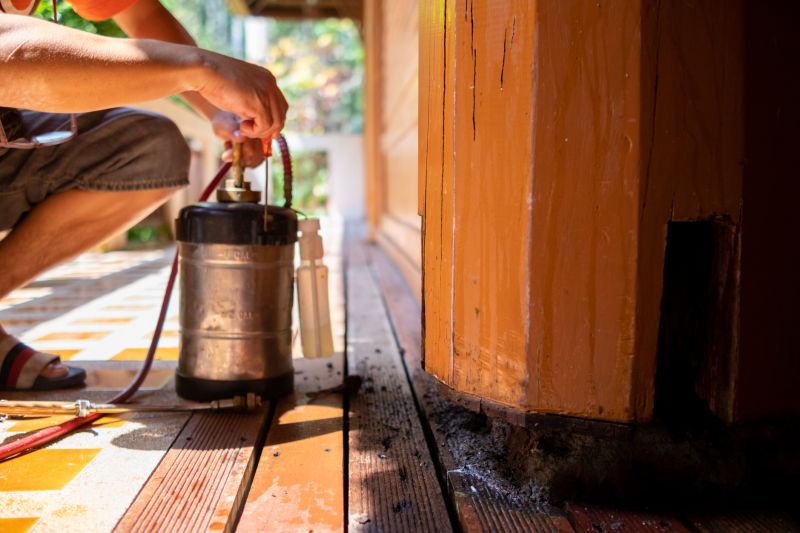
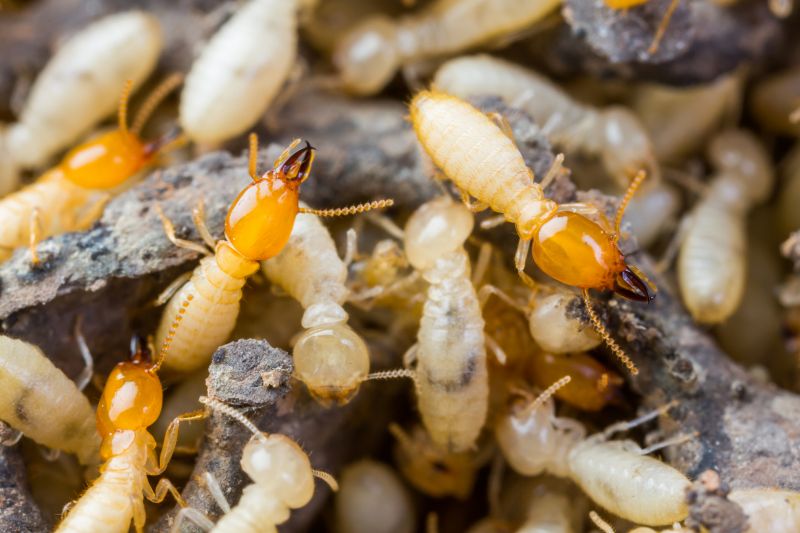
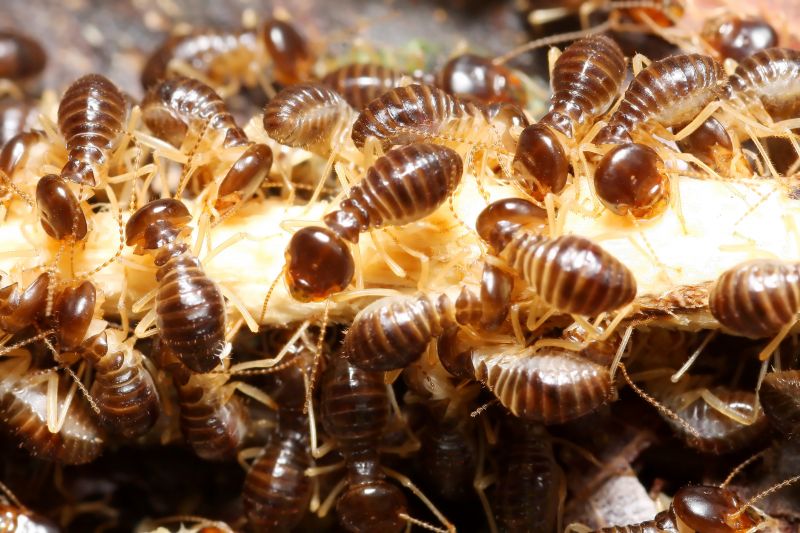
Understanding how termites enter homes and commercial structures is a common concern for property owners looking to prevent or address infestations. When people search this topic, they often want to learn about the specific entry points termites use to invade buildings, as well as the conditions that make properties vulnerable. This knowledge helps homeowners and business owners identify potential weak spots and take proactive steps to protect their investments. Many are also interested in how to detect early signs of termite activity and what measures local service providers can implement to block these entry routes effectively.
Typically, questions about termite entry relate to the structural features and environmental conditions of properties. Common problems include damaged wood, mud tubes, and hollow-sounding wood, which indicate termite activity. Property owners may be planning repairs, inspections, or preventative treatments, and understanding how termites gain access is crucial for these projects. For example, termites often enter through cracks in the foundation, gaps around utility lines, or damaged wood that provides a pathway into the building. Local contractors specializing in termite control can assess these vulnerabilities and recommend targeted solutions to prevent future invasions.
Certain types of properties are more prone to termite entry due to their design, age, or location. Homes with wood framing, especially those built close to wooded areas or with existing wood-to-ground contact, are more susceptible. Commercial structures with wooden components or those that have experienced moisture issues also face higher risks. Properties with poor drainage, cracks in foundations, or landscaping that brings wood debris close to the building are common entry points for termites. Recognizing these property types helps property owners prioritize inspections and work with local pros to implement effective barriers and treatment strategies.
Knowing how termites enter homes and commercial structures connects directly to property maintenance and pest management plans. Local termite control service providers can identify specific entry points during inspections and recommend appropriate treatments, such as soil barriers, baiting systems, or wood treatments. Addressing entry routes early can prevent extensive damage and reduce the need for more invasive repairs later. For property owners, understanding these entry mechanisms underscores the importance of regular inspections, proper maintenance, and working with experienced local contractors who can implement tailored solutions to keep structures protected from termite invasions.
Foundation Repair Projects - professionals skilled in foundation repair can identify and address structural vulnerabilities that termites exploit to enter buildings.
Moisture Control Services - local contractors specializing in moisture management help prevent conditions that attract termites seeking water sources inside structures.
Wood Damage Restoration - experts in wood repair and restoration deal with existing termite damage and can assess entry points related to wood infestations.
Building Inspection Services - inspectors trained in structural assessments can identify potential entry points and vulnerabilities that allow termite intrusion.
Structural Reinforcement Projects - contractors who reinforce building structures can help close gaps and entry points that termites use to access properties.
Exterior Siding and Trim Replacement - specialists in siding installation and repair can replace or seal exterior gaps that serve as entry points for termites.
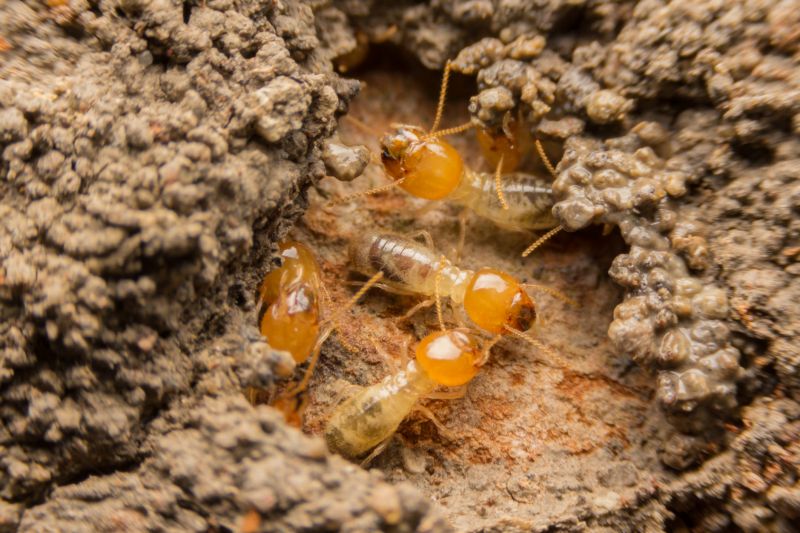
When comparing service providers for termite control, it is important to consider their experience with similar projects. Homeowners should look for local contractors who have a proven track record in addressing how termites enter homes and commercial structures. An established history of handling properties similar in size, construction type, and location can provide confidence that the professional understands common entry points and effective prevention or treatment methods. Asking for details about their prior work or seeking references can help verify their familiarity with the specific challenges posed by termite entry and infestation.
Clear written expectations are essential when evaluating termite control services. Homeowners should seek detailed proposals or service agreements that outline the scope of work, methods used to address how termites enter structures, and any follow-up or maintenance procedures. This transparency helps ensure that both parties have aligned understanding of what will be done, reducing misunderstandings and ensuring the chosen service provider can deliver the results needed to protect the property from future infestations. Well-defined expectations also serve as a basis for evaluating the quality and thoroughness of the service.
Reputable references and effective communication are key factors in selecting the right local contractor. Homeowners are encouraged to ask for references from previous clients, particularly those who had similar concerns about termite entry points or infestations. Listening to feedback about the contractor’s responsiveness, clarity, and professionalism can provide insight into how well they communicate throughout the project. Good communication ensures that homeowners stay informed about treatment options, progress, and any necessary follow-up steps, ultimately leading to a more satisfactory experience and better protection against termite entry.
Property owners often search for how termites enter homes and commercial structures when they are planning practical projects around their homes and businesses. Local pros provide Termite Control services for everyday jobs and straightforward project options.
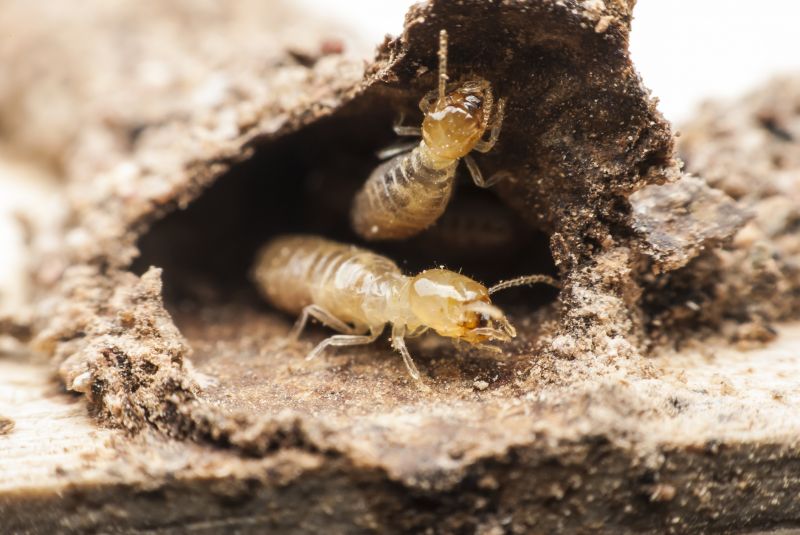
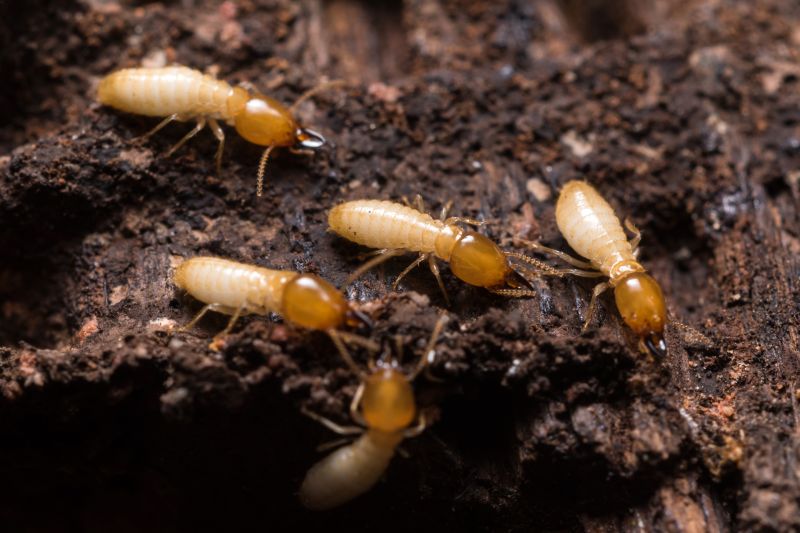
Understanding how termites enter homes and commercial structures is essential for property owners concerned about potential infestations. Typically, termites gain access through cracks in the foundation, gaps around utility lines, or damaged wood that provides an entry point. They can also find their way into buildings via soil contact or by traveling along wooden structures, such as fences or mulch beds placed close to the building’s exterior. Recognizing these common entry routes helps property owners identify vulnerabilities and consider professional termite control services to protect their investments.
Many property owners seek out termite control services after noticing signs of activity or suspecting an infestation. Local contractors offer expertise in inspecting buildings for hidden entry points and termite pathways, especially in areas where soil and wood are in close contact with structures. These professionals can assess the property’s condition, identify potential vulnerabilities, and recommend targeted treatments to prevent or eliminate termite problems. Connecting with local service providers ensures that property owners have access to effective solutions tailored to the specific ways termites may enter homes and commercial structures in the area.
How do termites typically enter homes and commercial structures? Termites often enter through soil contact near the foundation, cracks in the building's exterior, or gaps around utility lines and pipes. They can also gain access through wood that is in direct contact with the ground or moisture-rich areas.
What are common entry points for termites in buildings? Common entry points include foundation cracks, gaps around windows and doors, utility penetrations, and areas where wood meets soil. Moisture buildup and damaged siding can also facilitate termite entry.
How do local service providers detect how termites are entering a property? Professionals perform thorough inspections, looking for mud tubes, damaged wood, and signs of moisture. They assess the building’s foundation, exterior walls, and areas where wood contacts soil to identify entry points.
Can termites enter a building through existing structural damage? Yes, existing cracks, damaged wood, or deteriorated siding can serve as entry points for termites, making repairs and inspections important for prevention and control.
How can termite control services prevent future entry points? Local contractors can identify and seal potential entry points, remove wood-to-soil contact, and implement treatment methods to create a barrier against termite entry in homes and commercial structures.
Inspect entry points around the foundation - property owners can identify and seal cracks or gaps in the foundation to prevent termites from entering.
Maintain proper moisture levels - reducing soil moisture near the structure can make the environment less attractive to termites, with local contractors offering advice on drainage improvements.
Remove wood debris and mulch close to the building - keeping wood and mulch away from the structure minimizes potential pathways for termites to gain access.
Schedule regular inspections with local service providers - routine checks help detect early signs of termite activity and address entry points before significant damage occurs.
If you are thinking about how termites enter homes and commercial structures for a property, this guide is meant to help you understand this topic, the typical project types, and how different options might fit your plans.
When you are ready, you can use the quote form on this page to share a few details about your project. From there, local pros can review the basics and follow up with options that match what you have in mind.