Get Termite Fumigation
Termite fumigation services help property owners eliminate hidden termite infestations and protect structures during major pest control projects.
If you’re concerned about termites causing damage to your property, you’ve arrived at the right place to explore your options. Property owners in the area often consider termite fumigation services to protect their investment and maintain the integrity of their homes or commercial spaces. Understanding the benefits of professional treatment can help you plan a proactive approach to pest management, ensuring that your property remains safe and secure.
Comparing local contractors who specialize in termite fumigation can provide valuable insights into the methods and solutions available. Whether you’re preparing for a property inspection, dealing with an active infestation, or seeking preventive measures, connecting with experienced service providers can help you make informed decisions. Keep reading to learn more about how local experts can assist with your termite control needs.
- Termite Fumigation - needed when a property shows signs of a severe termite infestation.
- WDO Inspection - required before purchasing or selling a home with suspected termite activity.
- Structural Fumigation - necessary for treating entire buildings with widespread termite damage.
- Spot Treatment - suitable for addressing localized termite nests or colonies.
- Pre-Construction Fumigation - recommended prior to building or remodeling projects to prevent termite entry.
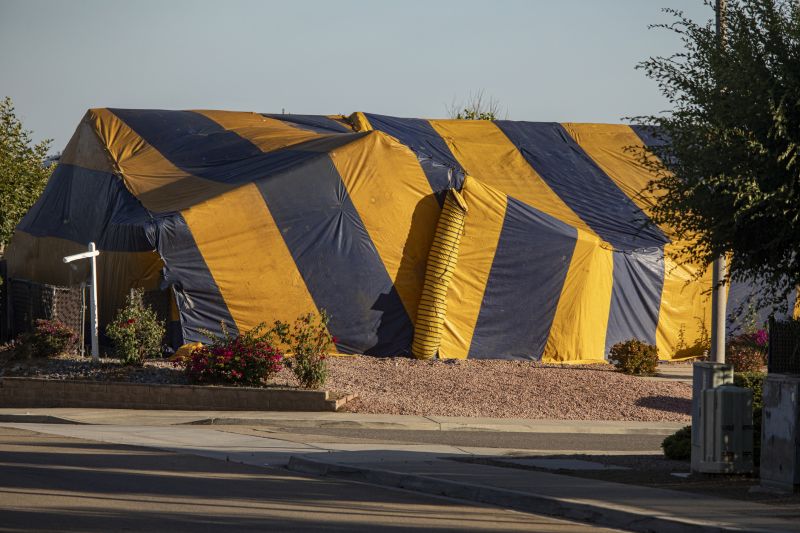

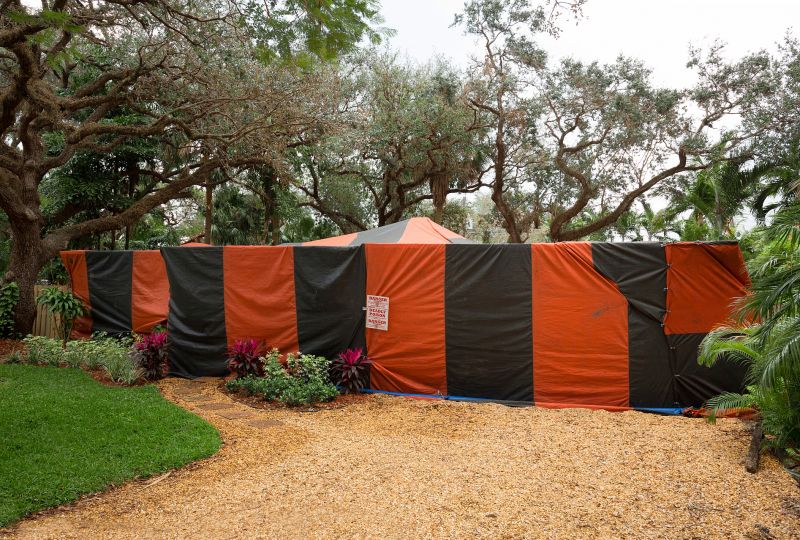
Termite fumigation services involve a comprehensive treatment process designed to eliminate termite infestations from residential or commercial properties. This method typically requires sealing the entire structure within a specialized tent or tarp to contain a potent gas or vapor that penetrates wood, drywall, and other building materials. The process is carefully managed by experienced service providers who ensure the treatment effectively targets termites hiding deep within the structure, preventing further damage and infestation. Fumigation is often recommended when traditional liquid treatments or baiting systems are insufficient to control widespread or stubborn termite colonies.
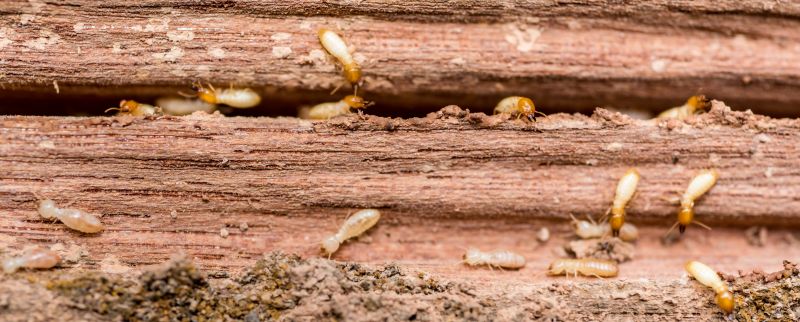
These services help address a variety of problems caused by termites, primarily the destruction of wooden structures and furniture. Termites feed on cellulose found in wood, paper, and other plant-based materials, which can lead to weakened walls, floors, and support beams. Over time, unchecked infestations may cause significant structural damage, compromising the safety and stability of a property. In addition to structural concerns, termite activity can be difficult to detect until damage becomes apparent. Fumigation provides a thorough solution to eradicate termites from hard-to-reach areas, helping to prevent costly repairs and the need for extensive renovations.
Properties that typically use termite fumigation services include those experiencing confirmed infestations or at high risk due to their age, construction type, or location. Older homes, especially those with extensive wooden features or basements, are more vulnerable to termite attacks. Commercial buildings, warehouses, and multi-family residences with large wooden frameworks may also require fumigation to protect their investments. In many cases, properties scheduled for sale or renovation are inspected and treated to ensure they are free of termites before transactions or construction work proceed. Service providers are equipped to handle a range of property types, offering tailored solutions based on the specific needs of each structure.
Homeowners should consider termite fumigation if they notice signs of infestation such as hollow-sounding wood, discarded wings, or visible damage to wood surfaces. In cases where termite activity has been confirmed through inspection, fumigation may be the most effective way to thoroughly eliminate the pests. It is also a common step in proactive pest management for properties in areas where termites are prevalent. Contacting local service providers can help determine whether fumigation is necessary and ensure the treatment is performed safely and effectively. This approach offers a practical solution for protecting properties from the ongoing threat of termite damage.
The overview below groups typical Termite Fumigation projects into broad ranges so you can see how smaller, mid-sized, and larger jobs often compare in your area.
In many markets, a large share of routine jobs stays in the lower and middle ranges, while only a smaller percentage of projects moves into the highest bands when the work is more complex or site conditions are harder than average.
Smaller Treatments - for routine termite treatments on smaller homes or localized infestations, local contractors typically charge between $250 and $600. Many projects fall within this range, especially for standard properties with minimal damage or infestation areas.
Full Property Fumigation - complete fumigation of an entire home or building usually costs between $1,200 and $2,500, depending on size and complexity. Larger or more complex projects can reach $3,500 or more, though fewer jobs tend to fall into this highest tier.
Inspection and Preliminary Treatments - initial inspections and targeted treatments often cost between $100 and $300. Many routine inspections are at the lower end of this range, with additional treatments adding to the overall cost.
Structural Repairs and Replacement - addressing extensive damage or replacing infested wood can vary widely, typically from $1,000 to over $5,000. Larger, more complex repairs are less common but can significantly increase the total cost depending on the extent of damage.
Actual totals will depend on details like access to the work area, the scope of the project, and the materials selected, so use these as general starting points rather than exact figures.
Wood Treatment Projects - Local contractors specializing in wood treatment use similar fumigation techniques to protect structures from pests and prevent decay.
Structural Pest Control - Service providers handling general pest management often perform fumigation to eliminate multiple types of pests in residential or commercial buildings.
Dry Rot Treatment - Professionals addressing dry rot issues utilize fumigation methods to eradicate fungi and prevent further structural damage.
Infestation Remediation - Experts managing severe infestations of insects or pests employ comparable planning and equipment as termite fumigation projects.
Stored Product Pest Control - Local pros working on pest control in storage areas use similar techniques to eliminate pests from food storage or warehouses.
Building Preservation Projects - Preservation specialists utilize fumigation as part of treatments to protect historic or valuable structures from pest-related deterioration.
When evaluating contractors for termite fumigation services, it’s important to consider their experience with similar projects. Homeowners should inquire about how many fumigation jobs they have completed and whether they have handled properties comparable in size and construction type. A contractor with a proven track record in projects like yours is more likely to understand potential challenges and deliver effective results. Reviewing the backgrounds of local service providers can help ensure they possess the practical knowledge necessary to manage the specific requirements of your home.
Clear written expectations are essential to a successful termite fumigation process. Homeowners should seek out service providers who provide detailed, transparent descriptions of the scope of work, preparation steps, and post-treatment procedures. Having this information in writing helps prevent misunderstandings and ensures everyone is aligned on what the project entails. When comparing local contractors, look for those who communicate their process clearly and are willing to answer questions about the steps involved, safety precautions, and any preparations needed on your part.
Reputable references and good communication are key factors to consider when selecting local pros for termite fumigation. Asking for references or reviews from previous clients can provide insights into the contractor’s reliability, quality of work, and professionalism. Additionally, effective communication throughout the process-such as prompt responses to inquiries and clarity in explaining procedures-can make the experience smoother and more predictable. Keep in mind that the site functions as a resource to introduce homeowners to local service providers who can handle the work, rather than performing the work directly.
Property owners use Termite Fumigation services for practical projects around their homes and businesses. This guide focuses on everyday jobs and straightforward project options.
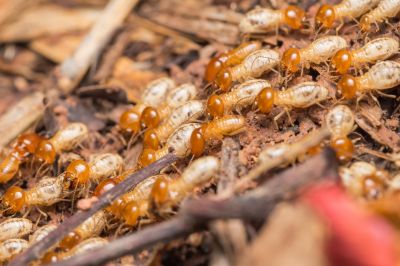
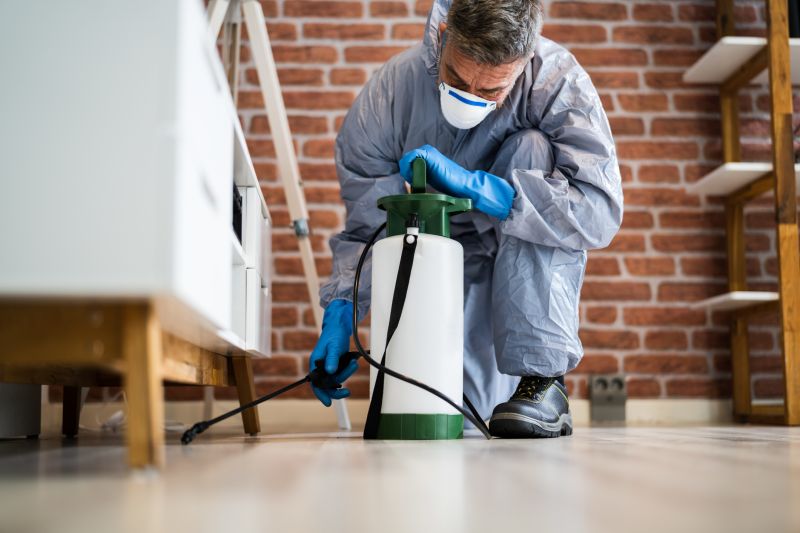
Property owners in the area often seek termite fumigation services when they notice signs of termite activity, such as wood damage or discarded wings around their homes. These pests can cause significant structural damage if left untreated, making professional intervention essential for protecting the property’s integrity. Local contractors are experienced in handling these situations efficiently, providing solutions that help prevent further infestation and preserve the value of the home.
Additionally, many property owners consider termite fumigation as a proactive measure when preparing to sell or purchase a home, ensuring the structure is free of pests before closing. Routine inspections and treatments may also be recommended for properties in regions prone to termite activity. Local service providers offer the expertise needed to assess, treat, and prevent future infestations, helping homeowners maintain a safe and pest-free environment.
What is termite fumigation? Termite fumigation is a method used by local contractors to eliminate termite infestations through the use of gas that penetrates wood and other building materials.
How does termite fumigation work? Fumigation involves enclosing the affected structure and introducing a gas that kills termites throughout the entire building, including hidden colonies.
Is termite fumigation safe for my home and family? When performed by experienced service providers, fumigation is a controlled process designed to target termites while minimizing risk to residents and the property.
What types of structures are suitable for fumigation? Many types of residential and commercial buildings can undergo fumigation, but local service providers can assess if it’s appropriate for specific structures.
What should I do before and after fumigation? It’s recommended to follow the guidance of local contractors regarding preparation and post-treatment precautions to ensure safety and effectiveness.
Pre-Construction Pest Prevention - Property owners planning new construction can schedule termite fumigation to protect structures from future infestations.
Routine Pest Management - Homeowners experiencing signs of termites can arrange periodic fumigation to maintain a pest-free environment.
Infestation Recovery - Those dealing with active termite problems might seek professional fumigation services to eliminate colonies effectively.
Property Inspections - Buyers or sellers can utilize termite fumigation as part of a comprehensive property inspection process.
If you are thinking about Termite Fumigation for a property, this guide is meant to help you understand the work, the typical project types, and how different options might fit your plans.
When you are ready, you can use the quote form on this page to share a few details about your project. From there, local pros can review the basics and respond with options that match what you have in mind.